When you’re locked out or dealing with questionable keys, the hardest part of hiring a locksmith in Boston is not finding a phone number—it’s picking the right kind of job. If you call for the wrong scope, you can lose time, spend extra effort explaining the issue again, and risk leaving key-control problems unresolved.
Bursky Locksmith is listed with a 4.9 rating from 194 reviewers and a direct line at +1 617-514-0200. The company’s contact page also points customers to its official contact route at https://www.bostonlocksmithma.com/content/contact-us/. Use those signals to start the conversation, then anchor it in outcomes: lockout entry when you need access now, or rekey when you need to change who the keys work for.
Start with the outcome: do you need entry, or do you need changed access?
A simple way to decide is to describe what “fixed” means. If the door is closed and you can’t get in at all, you’re usually looking for lockout help. If you’re already inside (or the door is unlocked), but the bigger problem is keys—lost keys, duplicates you don’t trust, or a move-in where you want tighter key control—rekey is often the more logical target.
Use door and key clues: deadbolt, knob latch, keypad, and key type
Before you call, take 30 seconds to identify what’s visible and what’s happening:
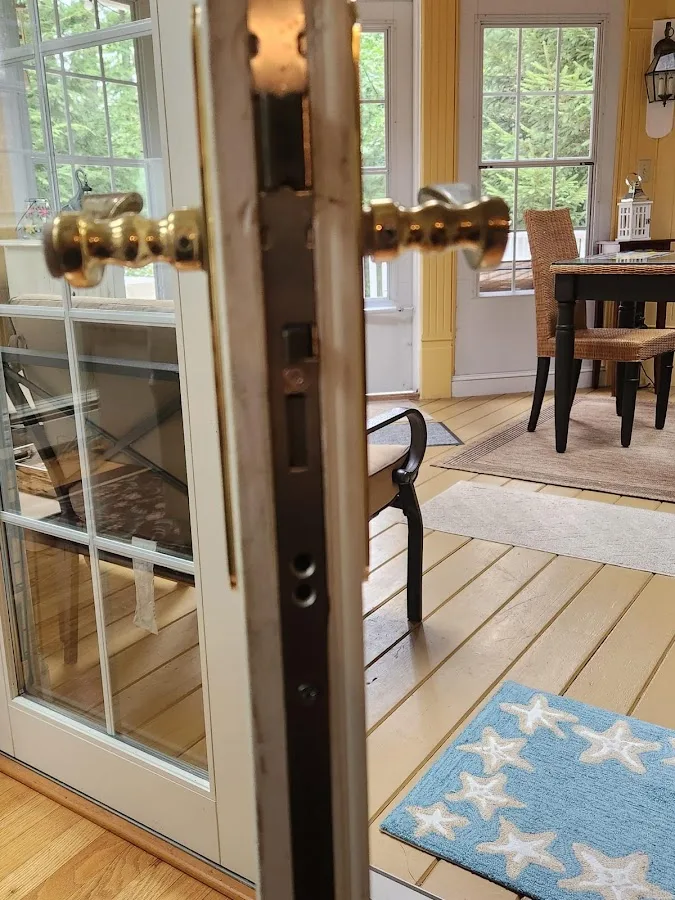
- Deadbolt or latch problem? If you’re locked out because the deadbolt won’t turn or the latch won’t release, your request should clearly indicate a residential door lockout.
- Key won’t turn vs. key is missing? A stuck key or a key that won’t rotate can point to a mechanical issue, but missing keys often points to rekey decisions.
- Key duplication concerns? If the issue is “I don’t know who might have a copy,” you’re thinking security and access change, not just entry.
- Electronic hardware (keypads/secure locks)? Mention what you see, because locksmith work can differ depending on whether the lock is purely mechanical or includes electronic components.
These details help the locksmith align the arrival plan with the hardware you’re working with—rather than guessing after the technician shows up.
How to talk to a locksmith on the first call
When you call Bursky Locksmith at +1 617-514-0200, be ready to describe three things in plain language: the lock location (front door, garage entry, apartment door), the symptom (locked out, key won’t turn, lost keys), and your desired outcome (get in now vs. change key access). That’s usually enough for an initial scope match.
When rekey is the safer bet than “just getting in”
Lockouts are urgent, but rekey is often the long-term fix. Consider rekeying if you’ve had any of these situations:
- You lost keys or you’re unsure whether copies exist.
- You moved into a new place and want key control for residents or staff.
- You’re correcting a trust problem—old roommates, former employees, or borrowed keys.
In these cases, even if a locksmith can restore access today, you should still ask how rekeying fits the security goal. A short conversation about key control can prevent repeat lock issues later.
What to confirm before the locksmith arrives
Public listing signals can point you in the right direction, but the details you need are specific to your case. Before agreeing to work, ask for clear confirmation on scope and process:
- Confirm the job type: lockout entry vs. rekey/access change.
- Ask what authorization is required: you may need to verify you have the right to access the property.
- Confirm what you want to change: key control only, or also lock hardware replacement if the lock is worn or damaged.
- Request a clear explanation of the next steps: what will be done on-site, and what decisions you’ll be asked to make.
That approach keeps the call grounded in your actual need—whether your immediate priority is getting through the door or building better access control.
Choose the right scope, then verify it again
For Bursky Locksmith in Boston, the best starting point is using the public signals you can verify (a direct phone line at +1 617-514-0200 and the official contact page at https://www.bostonlocksmithma.com/content/contact-us/) to reach the team quickly. Then make the decision based on outcomes: lockout help when you’re stuck out, and rekey when the keys are the problem. If you can name the lock clues and the access result you want, you’ll usually get a cleaner, faster match to the right locksmith job.