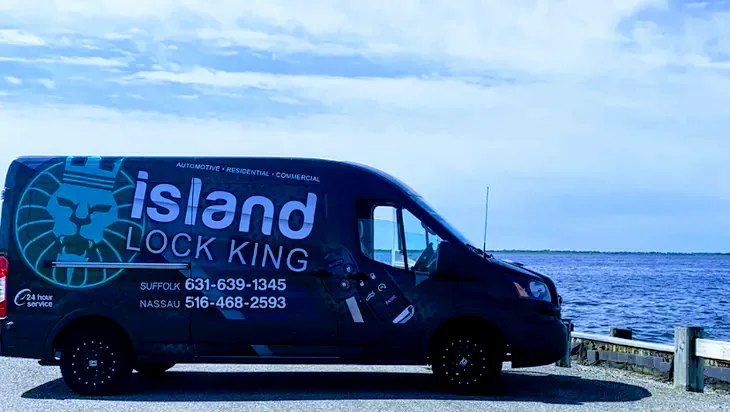
Lock problems rarely happen at convenient times. When a key breaks, a deadbolt won’t turn, or a tenant is locked out after hours, the next decision is what help to call and what information the locksmith may ask for. Island Lock King is a Long Island, NY mobile locksmith fast contact and practical solutions for common residential locksmith needs.
1) The most common Long Island lock scenarios
Most calls fall into a few predictable categories: a residential lockout, a rekey after moving into a new home, lost key replacement, or a broken key extraction when part of the key remains inside the lock. Each scenario affects what the technician can do immediately versus what may require specialized parts or additional programming.
2) What to do during an emergency lockout
For an emergency lockout, start by staying calm and checking the simplest possibilities: verify the door hardware is engaged correctly, confirm whether another entry point is accessible, and avoid forcing the lock if you suspect it may be damaged. If the lock has a security feature (such as a deadbolt or multi-point system), forcing it can increase repair time.
When calling for help, be ready to share the address, the type of lock (deadbolt, knob lock, lever lock), and whether a key is lost, broken, or present but not turning. Island Lock King’s contact approach emphasizes getting the right tools to the service site so the job can be completed as efficiently as possible.
3) Rekeying after a move: what changes and what stays the same
Rekeying is often the preferred option after a move because it updates the internal pins so the existing key no longer works. In many homes, the technician can rekey the existing cylinder(s) without replacing the entire lock hardware, which helps preserve the look of the door while improving security.
Expect the locksmith to confirm the current lock type and provide guidance on whether multiple cylinders need rekeying. If there are multiple entries—front door, back door, garage entry, or interior doors—ask about a coordinated keying plan so one key can manage all planned access points.
4) Lost key replacement: how to avoid delays
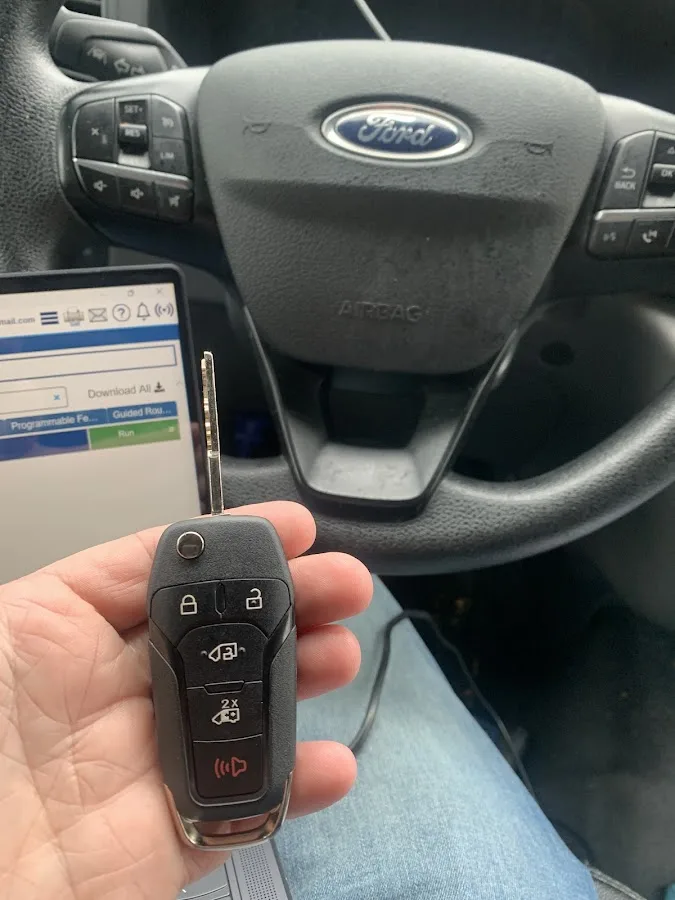
Lost key replacement typically moves faster when the locksmith can identify the lock and determine whether the existing key code, cylinder model, or key blank type is identifiable. If a key is completely gone and no information is available, the process may involve confirming compatibility with the current hardware.
To reduce wait time, have any relevant details ready: brand or model visible on the lock, a photo of the keyway, or documentation from the property manager or previous owner when available. Island Lock King getting the service right the first time so the replacement key can be completed during the appointment when feasible.
5) Broken key extraction and repair options
When a key breaks in a lock, the priority is safe extraction and minimizing damage to the cylinder. A partial key stuck inside can prevent smooth operation and can worsen if the lock is forced repeatedly. A qualified locksmith uses extraction tools tailored to the lock’s design so the cylinder can be preserved when possible.
After extraction, the technician may recommend repair or rekeying depending on wear and whether the cylinder was damaged during the incident. Knowing the difference matters: extraction only resolves the immediate issue, while rekeying can address ongoing security concerns if the key is no longer reliable or is missing.
6) Pricing: what affects cost in residential locksmith work
Locksmith pricing varies based on the work type, time of day, and how complex the lock system is. Common cost drivers include whether it is an emergency lockout, whether a rekey can be completed on existing hardware, and whether a replacement key requires additional identification steps. Technicians may also factor in the contact time and the specific tools needed for extraction or cylinder modification.
To get a clear estimate, ask what the quote covers: service call/contact, labor for the specific repair, and any parts or key blanks. Island Lock King’s service approach emphasizes practical, real-world resolution—so readers can plan around the actual scope of work.
7) How to vet a legitimate locksmith before work begins
Before a technician starts, confirm that the locksmith can explain the steps they plan to take and the reason for any recommended replacement parts. For residential work, a legitimate locksmith should also verify the situation and confirm authorization. Be prepared to show identification and, when applicable, proof of residence or property access.
It also helps to ask about what happens if the first method does not work (for example, if the lock cylinder needs rekeying after extraction). Professional locksmiths communicate options clearly and focus on completing the job without unnecessary damage.
8) Planning ahead: reduce the odds of another lockout
After a lockout, rekey, or key replacement, small steps can prevent repeat problems. Keep spare keys in a secure location that trusted household members can access. If the home has multiple entry points, consider coordinating keying during the appointment so the same key can cover the planned doors.
When a lock issue is handled with the right contact, tools, and parts, the result is more than convenience—it is better home security and fewer disruptions.